Top 5 Benefits of Proactive Tree Pruning for Residential and Commercial Trees
If you’ve ever wondered what tree pruning is or why it’s such a common topic among arborists, the answer is simple: pruning helps keep your trees strong, balanced, and healthy year after year. At Thomas J. Tree Care, we view pruning as more than just a way to enhance appearance; it’s a proactive way to care for your trees.
Whether you’re managing a large property or caring for a single backyard maple, understanding the value of proactive pruning can help your trees thrive and avoid foreseeable problems in the future. Let’s explore the top five benefits and best practices of tree pruning.
What Is Tree Pruning?
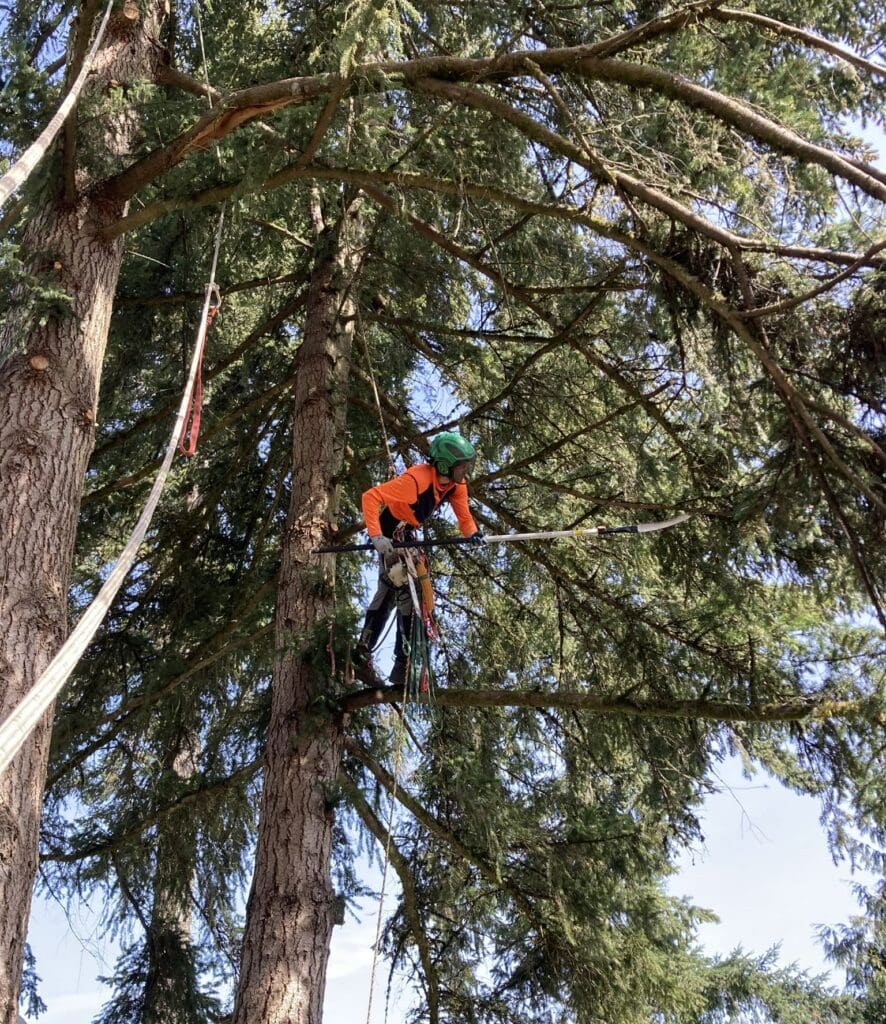
Tree pruning means selectively removing and reducing branches that are dead, weak, poorly located, poorly attached, or poorly oriented so the remaining structure can grow healthier and more resilient. For both residential and commercial landscapes, pruning trees on a regular schedule helps maintain safety, enhance beauty, and support long-term tree health.
Below are the top five benefits of proactive tree pruning.
Benefits of Proactive Tree Pruning
1. Encourages Strong, Resilient Growth
As trees grow, branches can become crowded, cross over each other, or develop weak attachment points. These structural issues may increase the risk of branches breaking under the weight of snow, heavy rain, or strong winds.
Regular pruning allows arborists to identify and correct these structural characteristics early, steering growth in the right direction so the tree can develop a strong structure and reduce the risk of failures. The thinning and reduction of branches in dense canopies can help to:
- Set the tree up for a better, long-term version of itself
- Allow more airflow and light into the interior of the canopy
- Maintain a strong, balanced structure
- Improve branch spacing and prioritize our primary branches within the canopy
This can reduce the risk of broken limbs, split trunks, and other storm-related impacts that can harm both the tree and nearby structures.
Thinning, and the amount of thinning, may be more applicable in some trees and scenarios than others. For example, in a fruit tree, we want lots of space between our primary ‘scaffold’ branches. Those main branches that will support fruit. In our larger conifer trees of Western Washington (such as Douglas-fir) we want to avoid thinning the canopy of these trees.
2. Provides Clearance
Trees and people share space, and sometimes that means helping your trees make room. Proper pruning can provide thenecessary clearance for buildings, walkways, signage, lighting, and other structures without compromising the tree’s health or natural form. Proactively assessing a tree’s structure and pruning it with the future in mind can help avoid large, low branches becoming a space issue. Pruning when the tree and branches are of a smaller diameter is key here to avoid making large diameter cuts and increasing the potential for decay in the trunk. Small cuts, made at the correct location, are much easier for trees to manage.
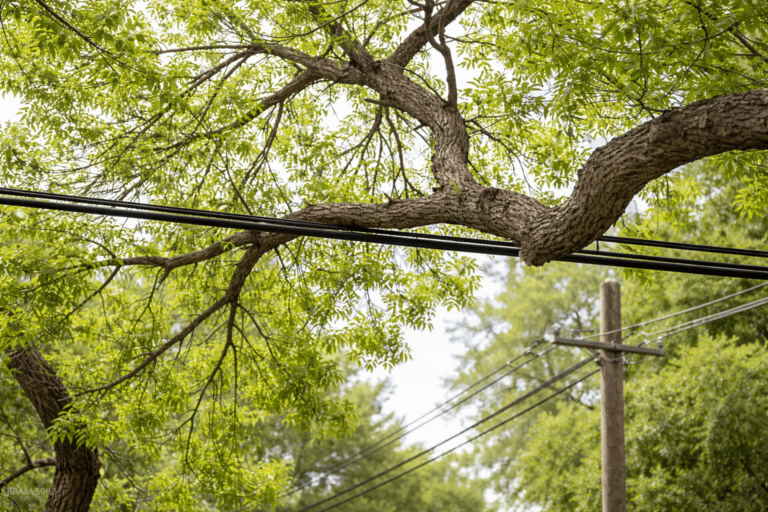
Whether you need to maintain safe distances from roofs and power lines or simply improve access for vehicles and pedestrians, pruning helps your trees coexist safely and beautifully with the spaces around them. The goal is balance, preserving both functionality and aesthetics.
3. Improves Tree Health and Increases Life Span
Regularly pruning can extend the lifespan of trees in the environment. Here’s how:
- Improves Light Penetration and Airflow: Thinning the canopy allows sunlight and fresh air to reach the interior branches. This not only encourages even growth throughout the tree but also helps prevent fungal diseases that thrive in dark, damp conditions. Balanced light exposure leads to stronger branches and a fuller, healthier canopy. As always, species-specific characteristics will have some influence on this, but we typically see some benefits from allowing some light to the interior of trees and plants.
- Promotes Balance: Proper pruning encourages a single dominant trunk, called the central leader. We prefer to avoid the possibility of codominant trunks developing. This is particularly important for the tall evergreen conifers that dominate our landscape (also called Excurrent tree form vs. Decurrent Tree Form). This balanced, well-anchored structure helps the tree resist splitting and withstand strong winds, snow, and other stresses.
- Manages Size: Trees can outgrow the space they have been planted in, and regular pruning can allow them to fit in that space for many years longer than otherwise.
4. Improves Curb Appeal + Shape
Over time, unpruned trees can become overgrown, unbalanced, or crowded with crossing branches. The process of proactive structural tree pruning will selectively thin and reduce branches, influencing the orientation, spacing, growth rate, strength of attachment, and ultimate size of branches and stems. Resulting in a strong and aesthetically appealing tree!
At Thomas J. Tree Care, our arborists specialize in pruning trees to achieve the perfect balance between form and function. Each cut is made with purpose, removing only what’s necessary to maintain health while preserving the tree’s natural beauty.
Extra Tip: Light pruning once a year can keep ornamental or shade trees looking their best without over-stressing them. A certified arborist can help you determine the best time to prune trees based on their species and growth cycle.
5. Supports New Growth and Influences Fruit/Flower Production
Pruning Flowering and Fruit-Bearing Trees
For flowering and fruit-bearing trees, proper pruning is especially important. Here’s how it helps:
- Encourages Healthy Buds and Blooms: Improving air circulation and light penetration creates the ideal environment for flowers and fruit to develop.
- Increases Fruit Production and Quality: Regular pruning promotes consistent blooms and higher-quality fruit year after year.
- Develop Strong Scaffold Branches: By reducing branches each year, we are helping develop strong branches with appropriate spacing that will be strong enough to hold the weight of fruit and allow enough sunlight in to ensure the fruit develops its sugars.
When and Why Proactive Tree Pruning Matters
Knowing when to prune trees is just as important as knowing how. The best time to prune trees depends on species, age, and climate, but for most, late fall through early spring is ideal. When we are pruning a tree, we are damaging it and often removing live foliage – we are causing stress on the tree. Pruning during dormancy (after the leaves have fallen off for deciduous trees) allows us to prune during a less stressful time of the year for the tree, therefore avoiding compounding stress factors on the tree.
Light pruning can be done year-round to remove dead wood or address safety issues, but a certified arborist can recommend the best approach for your specific trees. If the tree is in good condition and the pruning specifications are appropriate for the circumstances, many trees can be pruned any time of the year.
Additionally, professional tree pruning services use precise techniques to ensure every cut supports recovery and growth instead of causing unnecessary stress. When done correctly, this proactive approach keeps your landscape safer and your trees stronger, season after season.
Keep Your Trees Healthy with Thomas J. Tree Care
Proactive structural tree pruning is one of the best ways to keep your trees safe, healthy, and beautiful year after year.
Contact Thomas J. Tree Care to schedule your proactive tree pruning today.