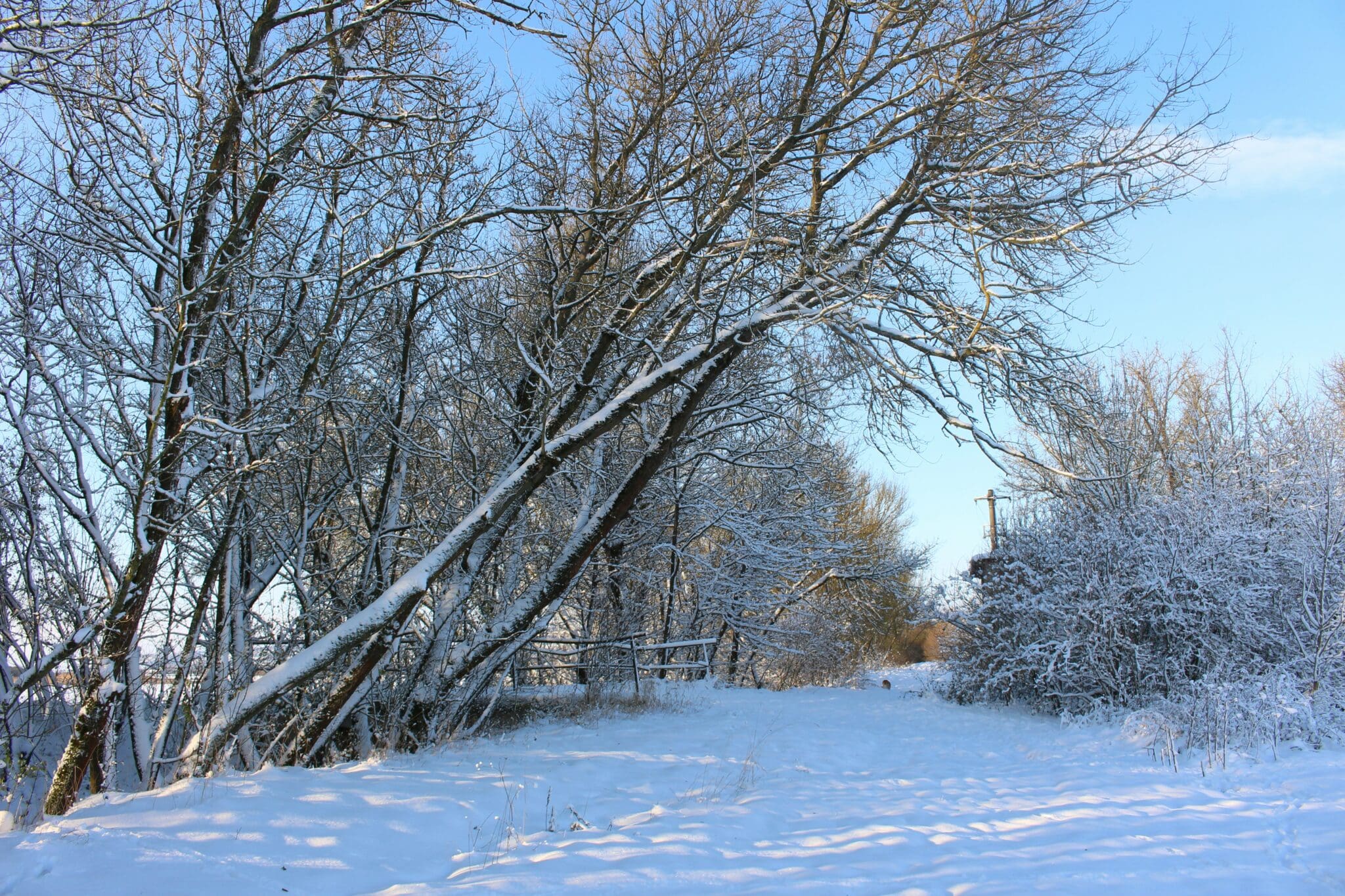
Winter Tree Care: Essential Tips to Protect Your Trees From the Cold
Winter in the Pacific Northwest can be tough on your trees. The cold temperatures, unpredictable snowfall, intense storms, and strong winds leave your trees vulnerable to broken branches, root damage, and other serious issues that can affect their long-term health.
In this post, we’ll walk you through some steps that can help your trees thrive through winter’s harshest conditions. From pruning to mulching, we’ll share simple yet effective tips to keep your trees healthy and strong all season long.
Why Winter Tree Care Is Important
Whether you’re caring for mature trees or newly planted saplings, all trees need extra attention during the colder months to stay healthy. Without the proper care, they could suffer lasting damage that stunts their growth, makes them more vulnerable to disease, or even threatens their survival.
Taking the time to follow proven tree care practices can make all the difference in helping your trees make it through the winter and emerge healthier and more resilient come spring.
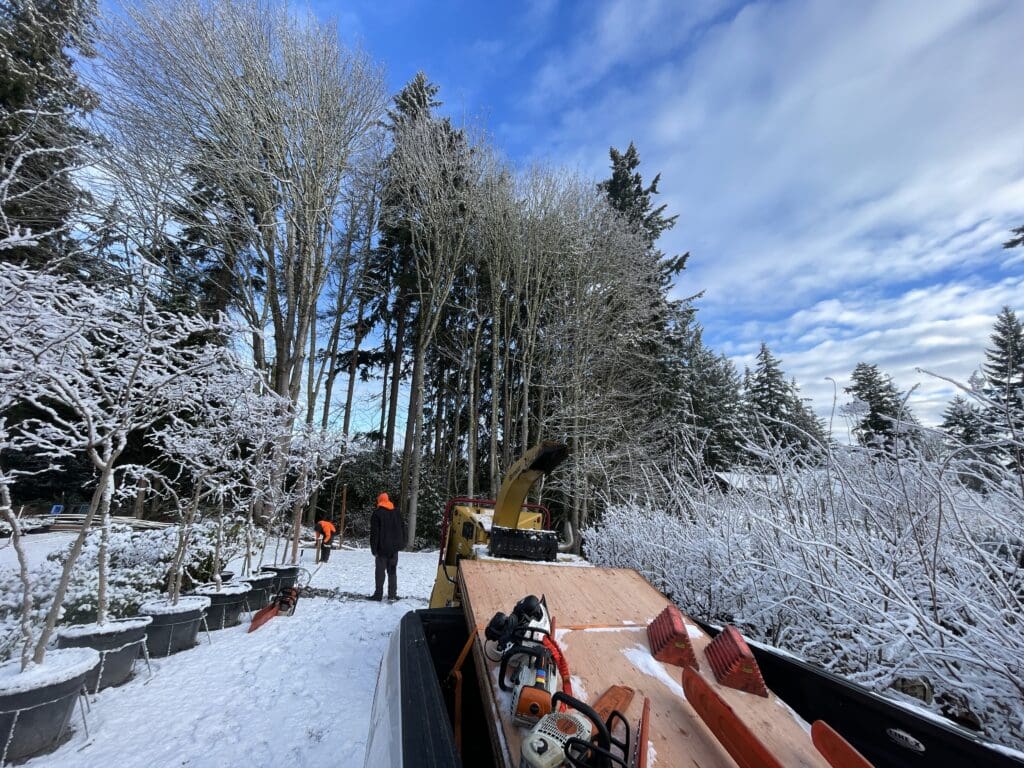
Essential Winter Tree Care Tips to Protect Your Trees
1. Winter Tree Pruning
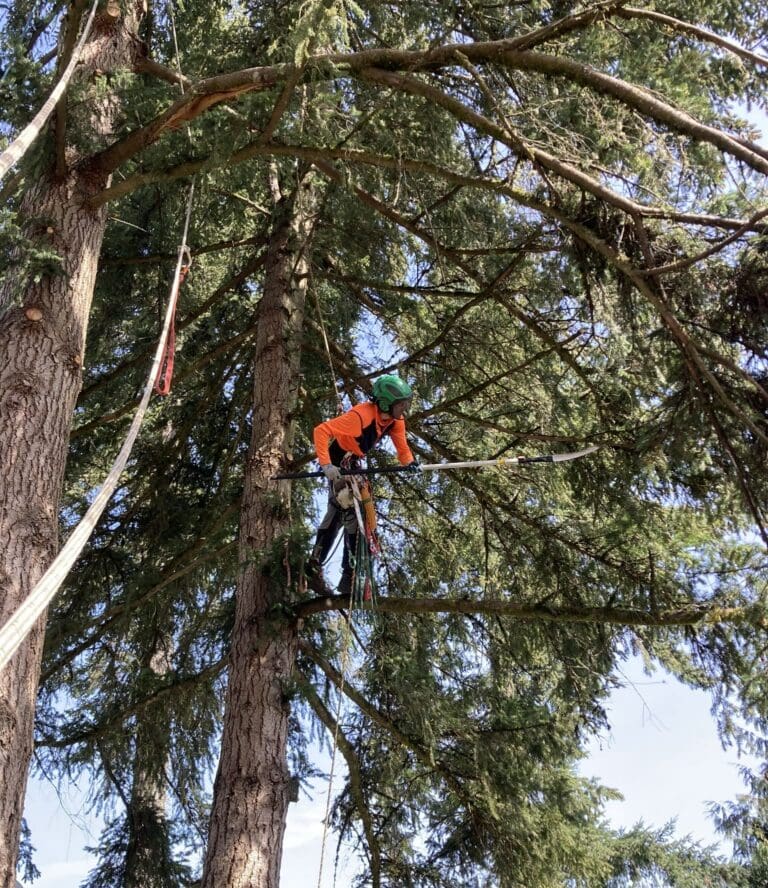
Pruning is one of the best ways to set your trees up for success in winter. Winter storms, especially in areas like North Bend, often bring heavy snow and ice that can cause damage to weak or damaged branches. By pruning your trees while they’re dormant (typically in late fall or early winter), you reduce the risk of these vulnerable branches breaking under the increased weight of snow or ice.
When pruning, be sure to use sharp, clean tools. Avoid heavy pruning, as it can stress the tree and hinder its ability to recover in the spring. Focus on removing dead or diseased wood, as well as any branches that cross over each other, potentially causing unnecessary damage to the tree.
At Thomas J. Tree Care, we understand the importance of proper tree pruning to help your trees endure the winter season. Our team of certified arborists uses industry-leading techniques tailored to the specific needs of your trees, ensuring they remain healthy and strong throughout the winter months. Contact us today for your pruning needs and give your trees the best chance to thrive this season.
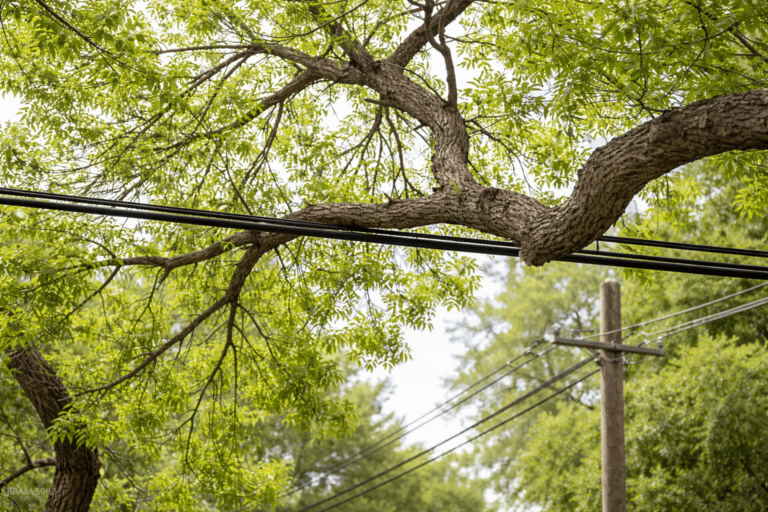
Extra Tip: If you live in areas where snow accumulates frequently, consider reduction pruning on branches that overhang structures like roofs, driveways, or power lines. This reduces the risk of damage from snow and ice buildup.
2. Apply Mulch For Winter Protection
Applying mulch is a simple yet powerful way to shield your trees from harsh winter conditions. A layer of mulch around the base of a tree acts like an insulating blanket, keeping the roots warm and protected from freezing temperatures. Extended freezing temperatures can be hard on some plants and they may suffer frost damage, which weakens the tree and leaves it more susceptible to other stresses.
Mulch also helps retain moisture in the soil, which can be particularly beneficial during any drier winter periods, especially in places where rainfall may be less frequent during the colder months. It’s important to apply a 3-4 inch layer of mulch around the base of your trees, ensuring that it is spread evenly and not piled against the trunk.
Extra Tip: Always leave a small gap between the mulch and the trunk of the tree. Piling mulch directly against the tree can trap moisture and promote rot, leading to potential issues like fungal growth and disease.
3. Water Trees During Milder Days
Even though trees are dormant in winter, they still need water to stay healthy. Particularly evergreen trees and shrubs as the leaves and needles continue to transpire and lose moisture. This is even more so on windy and sunny days. In the Pacific Northwest, rain is common, but dry spells do occur, making it hard for trees to access moisture. During these dry periods, it may be important to water your trees on milder days when temperatures are above freezing. Many established trees may not need water but if you are nursing a tree back to health, or establishing a newly planted tree, they will benefit from having water available in the soil.
Deep watering means thoroughly soaking the soil so water reaches the roots, helping prevent drought stress. This is especially important for young trees with shallow roots that dry out easily. Just be sure to avoid watering when it’s freezing, as that can damage the roots.
Extra Tip: The irrigation schedule for a lawn is very different from that of a tree.
4. Avoid Salt Damage
Salt used for de-icing roads and driveways can dry out roots, damage bark, and affect overall tree health. If you live in an area where salt is often used, it’s important to take precautions.
To protect your trees from salt damage, wrap the trunks—especially of younger trees—with burlap or tree guards. This helps shield them from salt exposure and runoff. If you’re planting new trees, consider species that are more tolerant of salt if they’ll be exposed to it.
Extra Tip: If you live near roads that are regularly salted during winter, try to avoid planting trees directly in these areas. Opt for planting trees in areas with better protection from salt exposure, such as along fence lines or farther from the road.
5. Wind Protection for Trees in Winter
The Pacific Northwest is known for its strong winter winds. These winds can cause desiccation of the leaves, which can stress trees and leave them vulnerable to further damage. Young trees with shallow root systems are especially at risk during windy conditions.
A simple way to protect your trees from the wind is to create a windbreak. This could be a permanent barrier, like a fence, or a temporary one, like a snow fence or burlap screen. A good windbreak will help shield your trees from the worst of the winter winds and minimize damage
Extra Tip: When planting new trees, try to select spots that are naturally sheltered from prevailing winds, or plant protective windbreaks nearby.
6. Brush Snow and Ice Off Tree Branches
Snow and ice can accumulate on tree branches and cause significant stress. This can lead to broken limbs or, in extreme cases, whole tree failure. After a snowstorm or ice storm, consider removing excess snow from your tree branches to prevent damage.
Use a broom or rake to gently brush snow off branches. Avoid shaking or hitting the branches too forcefully, as this can break limbs or cause additional damage. If ice has formed on the branches, carefully break it off using your hands or a soft tool, rather than scraping it off aggressively, which can harm the bark.
If you’re concerned about the health or safety of your trees after winter storms, our professional tree risk assessment service can help. We’ll evaluate the condition of your trees, identify any potential hazards, and provide recommendations for management to keep them healthy and safe throughout the season.
Winter Tree Care For Specific Species
Different species of trees have different needs during the winter months. Here’s a quick guide to help with the most common species we see here in Washington:
- Evergreens (Douglas Fir, Cedar, Pine): These trees are built for cold weather, but they still need a little extra TLC when winter storms hit. Protect them from strong winds and heavy snow with mulch, windbreaks, and some smart pruning. Keep an eye out for snow build-up on branches—they’re especially prone to breaking under the weight.
- Deciduous Trees (Maple, Oak, Birch): Deciduous trees typically enter full dormancy in winter and are less susceptible to cold damage. However, if there’s a warm spell, they may prematurely bud, leaving them vulnerable to late frosts. Prune dead or damaged wood in late fall, and ensure they are properly hydrated before the cold weather hits.
- Fruit Trees (Apple, Pear, Cherry): Fruit trees are susceptible to frost damage, especially after blooming. Consider using frost cloths or row covers if a cold snap threatens early buds in spring. Make sure to clear any ice or snow from around their trunks and branches, and check for signs of rodent damage.
Signs Your Trees Are Struggling in Winter
It’s important to keep an eye on your trees throughout the winter months to catch any signs or symptoms of trouble early. Here are a few red flags that indicate your trees might need some extra attention:
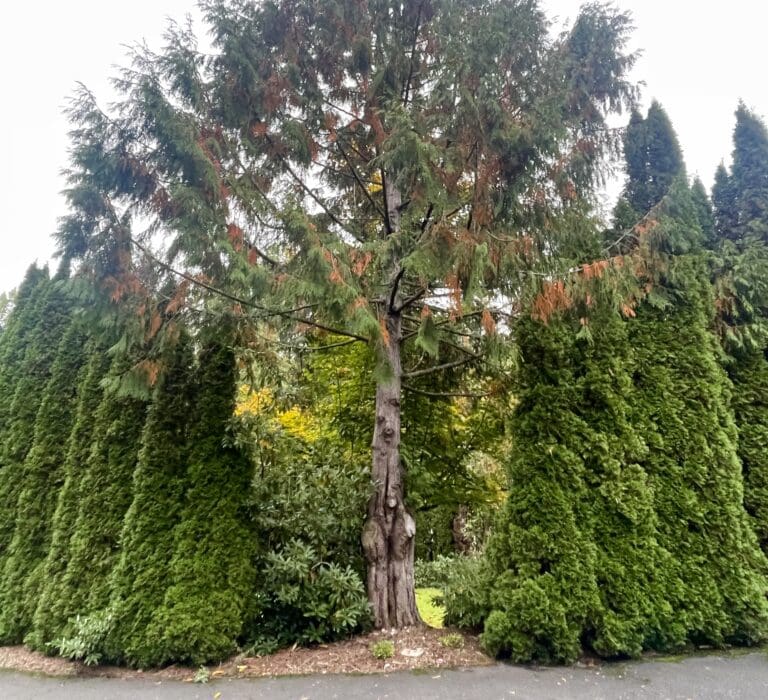
- Browning or Wilting Leaves: If some trees, particularly evergreen varieties, are turning brown or dropping leaves prematurely, it could be a sign of stress from winter conditions, such as dehydration or windburn.
- Cracked or Splitting Bark: Freezing temperatures can cause the bark to contract and crack. If you notice large splits, it may be a sign that your tree has suffered frost damage.
- Wilting or Yellowing Young Branches: If new growth seems to be wilting or discolored, it could be due to the effects of frost desiccation or inadequate access to water.
- Excessive Needle Drop on Evergreen Trees: While evergreen trees naturally shed older needles, excessive needle drop could signal stress from environmental conditions.
Some of these symptoms will appear more clearly as winter moves into spring and the vascular system of the plant kicks into gear!
If you’re noticing any of these signs or aren’t sure whether your tree needs help, reach out to us at Thomas J. Tree Care. We offer a Tree Risk Assessment service to evaluate the health of your trees, identify potential risks, and provide recommendations to keep them strong through the season. We examine factors such as bark damage, root health, and potential risks posed by heavy snow, wind, or ice accumulation.
Emergency Tree Services: Immediate Help For Winter Tree Issues
If you spot something dangerous—like a fallen tree or branches hanging precariously over your house—don’t wait. Call us for Emergency Tree Services. We’re ready to handle everything from storm damage clean-up to safely removing broken limbs or fallen trees, so your property and trees stay safe.
Contact Thomas J. Tree Care for Winter Tree Care
Winter tree care isn’t always straightforward, especially when you’re trying to balance protecting your trees while respecting their natural dormancy cycle. Whether you’re concerned about protecting young trees or figuring out how to help mature trees continue to thrive, expert guidance can make all the difference.
At Thomas J. Tree Care, we provide tailored services to help your trees stay healthy and resilient all winter long. We understand the unique needs of different tree species and are here to offer advice and services that will help your trees thrive come spring. Contact us today, and let us help you give your trees the winter care they need.